


Huggies Nappies Mega Newborn 160 Pack Size 1
$59
4.5 out of 5 4.7 (1461)
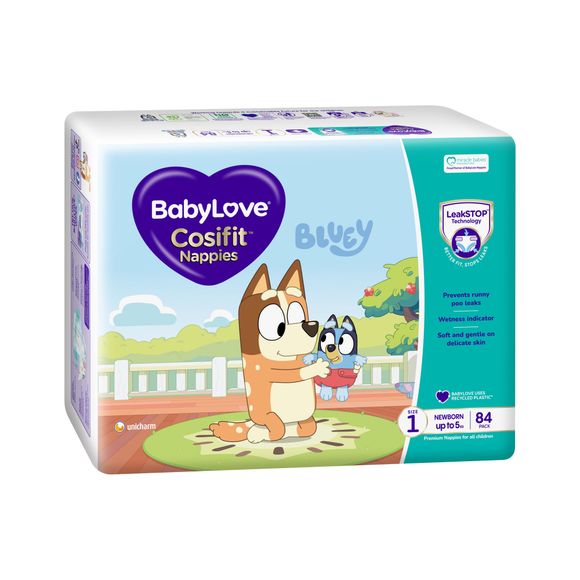
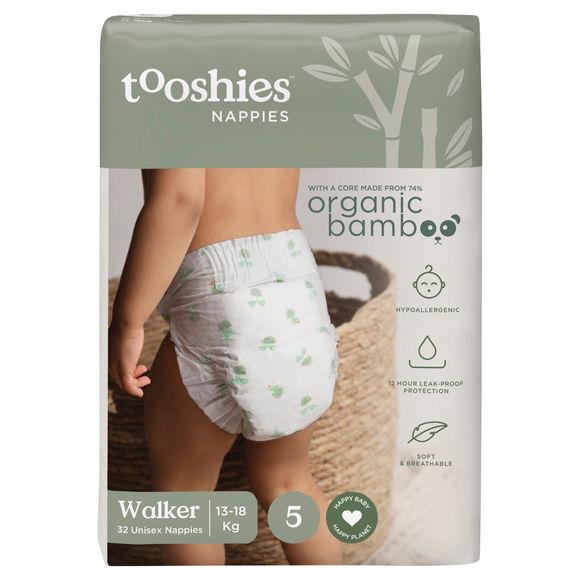
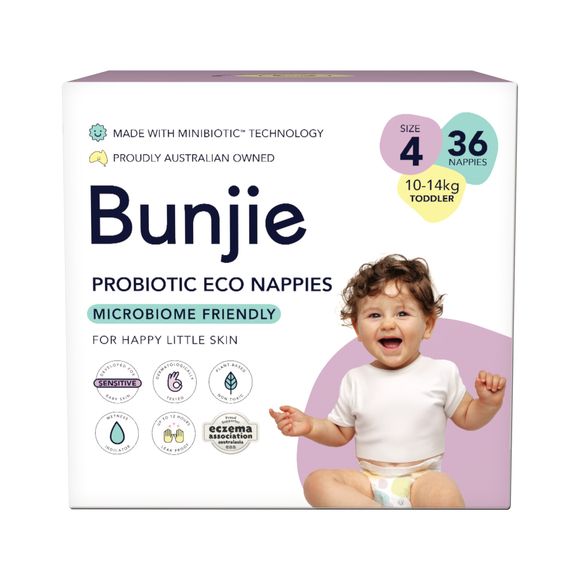
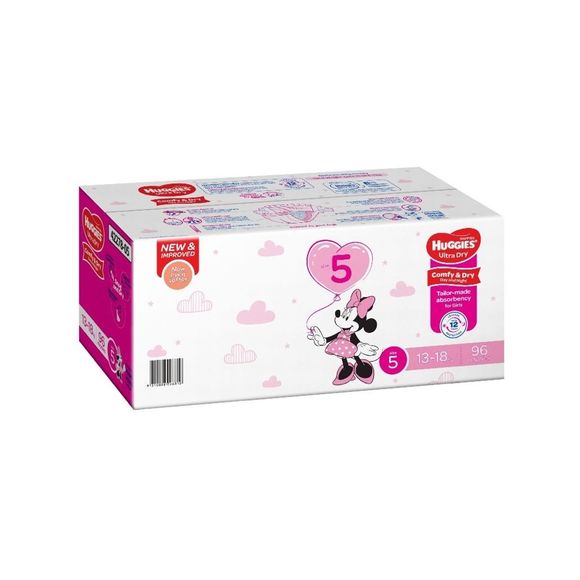
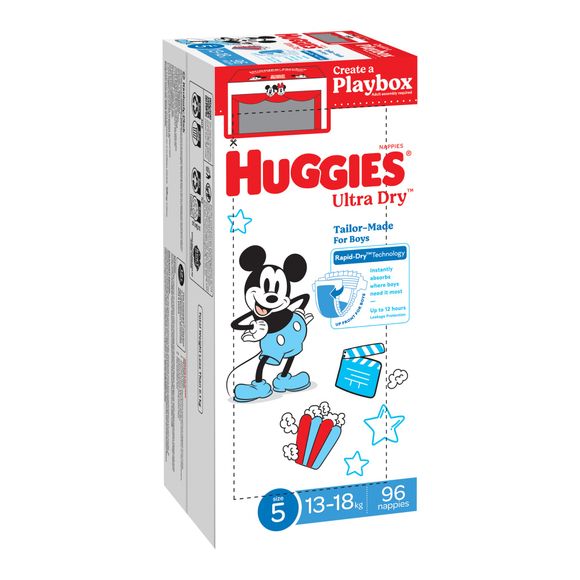
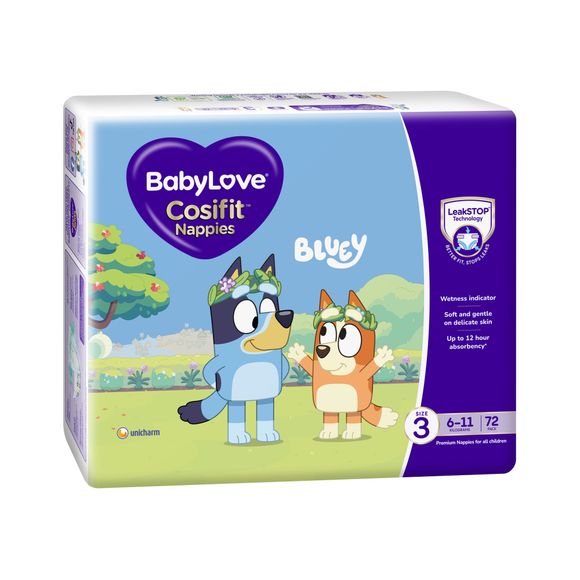
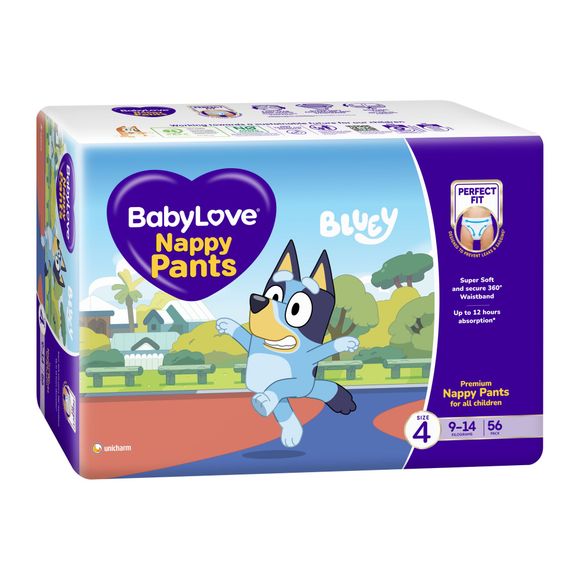
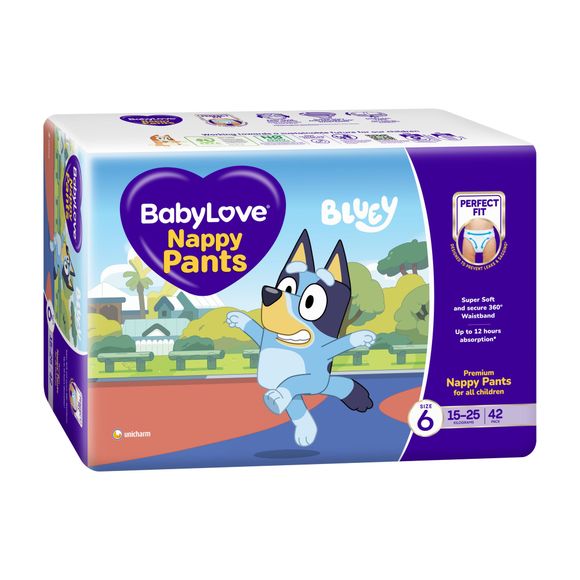

Disposable nappies absorb liquid and (usually) lock it away.
Made from clever layers including absorbent cores, breathable outer sheets and soft linings
Choose based on your bub's weight and how the nappy fits around their waist and legs
Some options are made with plant-based materials or fewer added fragrances
Many newborns demolish 8-12 nappies daily, so we recommend you stock up, you'll need them!
Disposable nappies are your frontline defence against the truth that is everyday life with a newborn. They wick moisture away from skin and lock it inside absorbent layers that turn liquid into gel. You use them once, bin them (ideally in sealed nappy bags to spare everyone's nostrils), and grab a fresh one. No soaking, scrubbing, or wrestling with cloth at midnight when you can barely remember your own name.
Modern nappies are basically tiny engineering marvels designed to handle bodily functions you didn't know were possible.
Super absorbent polymer (SAP) – This technology turns wee into gel. These microscopic crystals can absorb many times their weight in liquid, locking moisture away from skin. The reason you're not changing nappies every 30 minutes like it's 1952.
Breathable outer layers – Let air circulate while keeping liquid contained (in theory, we all know about poonami explosions). Reduces the sauna effect that causes nappy rash.
Hypoallergenic lining – The soft layer against delicate skin, designed to minimize irritation. Usually white or cream, free from lotions or fragrances that might upset sensitive bottoms.
Plant-based or eco options – Made from bamboo, cornstarch and sustainably sourced wood pulp. For when you want convenience without quite so much environmental guilt.
Leg cuffs and waistband - Help create a secure fit around your baby’s legs and tummy
Wetness indicator - Available on some newborn and baby nappies to help show when it may be time for a change.
Getting the fit right is the difference between a peaceful morning and discovering yellow mustard explosions up your baby's back at the worst possible moment:
Baby's weight range – Nappy sizes are based on weight, not age. Newborn (Size 0) suits babies up to around 5kg and sizes climb from there. Because your bub is its own little person, we recommend you check the packaging and trust your baby's measurements.
Fit around waist & legs – The waistband should sit snugly without creating angry red lines (you should fit two fingers underneath comfortably). Leg gathers need to seal against skin with no gaps. Too loose = leaks everywhere. Too tight = grumpy baby and pressure marks.
Between sizes? – Size up. A slightly roomy nappy still functions however a too-tight one creates explosive blowouts that'll haunt you. If you're getting frequent leaks despite reasonable changing intervals, try the next size up.
To make the choice easier, have a browse through our full nappies range. Once you’ve made your choice on the right nappy for your bub, next is knowing how to use it! Our guide on how to change a nappy can help with that.
Let's be honest about what you're signing up for:
Pros:
Ready to use straight from the packet
Change and bin (no growing pile of soiled cloth nappies judging you from the corner)
Brilliant absorbency means fewer middle-of-the-night changes (sleep is sacred)
Travel-friendly, chuck used ones in sealed bags.r
Eco options are also available
Cons:
Ongoing cost can add up fast (you'll be buying nappies for 2-3 years minimum)
Traditional disposables take decades to centuries to break down in landfill
Can't reuse, every nappy is one-and-done
Some babies react to materials or fragrances (hypoallergenic options help)
Storage space, those bulk packs take up serious real estate in your house.
While these are the pros and cons on nappies, there are a few other must haves that need to be added to your change table essentials. Think wipes for starters.
Disposable nappies won't win environmental awards, but they're brilliant at handling the unglamorous reality of having a bub. Choose what keeps your family functioning, your budget intact, and your sanity level manageable.
Newborns need changing every 2-3 hours or immediately after a number 2 (so roughly 8-12 times daily). Basically, you'll spend half your waking hours changing nappies. Older babies can stretch to 3-4 hours between changes, but always change pooey nappies immediately.
Newborns demolish 8-12 daily. This drops to 6-8 by 3-6 months, then 5-6 for older babies and toddlers. So if we do the maths, newborns alone go through 240-360 nappies monthly. Yeah, so it’s a lot. We recommend you stock up with at least a month's supply so you're never caught out.
The truth is, you can’t. It’s just a right of passage that things are going to go a little crazy. That’s ok though, there are a few things you can do to minimise this happening. Check the waistband is snug, leg gathers are fanned out with no escape routes and that you have the right size for your baby's weight.