

Baby Bedding and Linen
Explore bedding, towels, sleepwear and more.
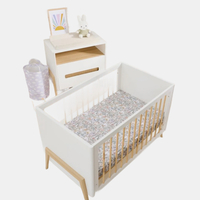
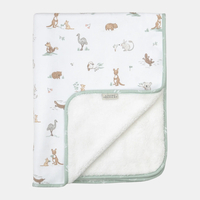
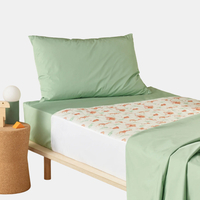
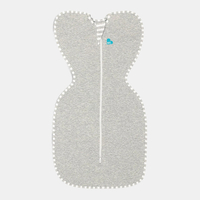
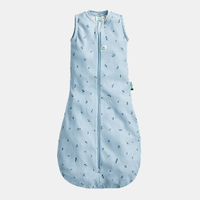
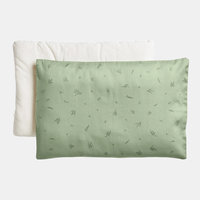
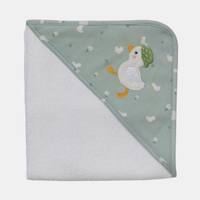
Key Summary
- Newborns need very little bedding and linen — a firm mattress, a fitted sheet, and a sleepsuit or baby sleeping bag covers safe sleep in the first year
- Fitted sheets should fit snugly with no excess fabric — loose bed linen in a cot is a safety risk for young babies
Breathable, washable materials like cotton, muslin and bamboo are the most practical choices for baby bedding
- Bassinet and cot bedding are different sizes — always check compatibility before buying
- Waterproof mattress protectors are not essential but are very much worth having
For full safe sleep guidance, see our guide to safe sleep practices.
The right baby bedding for your bub is safe, soft and built to survive a thousand washes.
Bedding Essentials for Every Nursery
Keep things simple, safe and easy to change at 3 am.What Bedding Do You Need for a Newborn?
In the first twelve months, safe sleep guidelines are clear: a firm, flat mattress with a well-fitted sheet is all that is needed in the sleep space. For warmth, a sleepsuit or a baby sleeping is safer than loose blankets. The bed linen essentials for a newborn are:- Two to three fitted cot or bassinet sheets — enough to always have a clean one ready
- A sleepsuit or sleeping bag in the right TOG rating for the season
- A waterproof mattress protector under the fitted sheet
- Muslin wraps for settling, swaddling and a hundred other uses
Choosing Between Bassinet and Cot Bedding
Bassinets and cots use different size sheets, and they are not interchangeable. If you’re planning to start in a bassinet and transition to a cot, you’ll need separate sets of fitted sheets for each. Measure your mattress before buying and check product dimensions carefully. Most bed linen ranges will specify bassinet, cot, cot bed or toddler bed sizing.Lightweight vs Warm Baby Blankets
For babies under twelve months, blankets should only be used outside the sleep space (not in the cot) and always while under supervision. For older babies and toddlers who have transitioned to a bed, choosing between lightweight and warm bedding depends on the season and your home's temperature:- Lightweight options — cotton or muslin blankets, low-tog sleeping bags — suit warmer months and temperature-regulated rooms
- Warmer options — jersey, fleece or higher-tog sleepsuits or baby sleeping bags — are better suited to winter or cooler climates
- Layer thoughtfully rather than using a single heavy cover — it is easier to adjust
How to Choose Safe Baby Bedding
For newborns, safe sleep practices are clear — firm, flat and bare. No pillows, bumpers or loose blankets in the cot for the first twelve months. As babies grow into toddlers, bed linen choices open up. Our guide to transitioning your toddler from cot to a bed covers when and how to make that shift.What Is the Best Material for Baby Bedding?
The most practical baby bedding materials are natural, breathable and easy to wash at high temperatures. Here is a quick guide:- Cotton — the most widely used material for baby bed linen. Breathable, durable, easy to wash and available across all price points. A reliable all-season choice
- Muslin — lightweight and breathable, particularly good for summer or warmer climates. Softens beautifully with every wash
- Bamboo — naturally temperature-regulating and incredibly soft. A good choice for babies with sensitive skin
- Jersey — stretchy and soft with a T-shirt-like feel. Fitted sheets in jersey are particularly easy to put on and pull off
- Fleece — warm and cosy but not breathable — best reserved for outer layers or blankets used outside the sleep space, not in the cot