

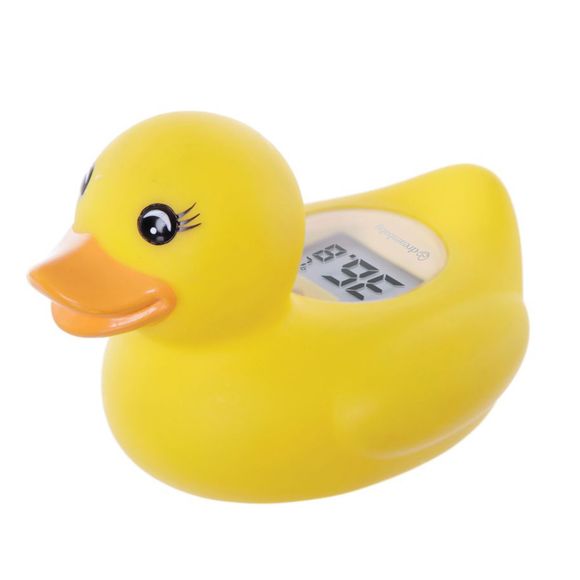
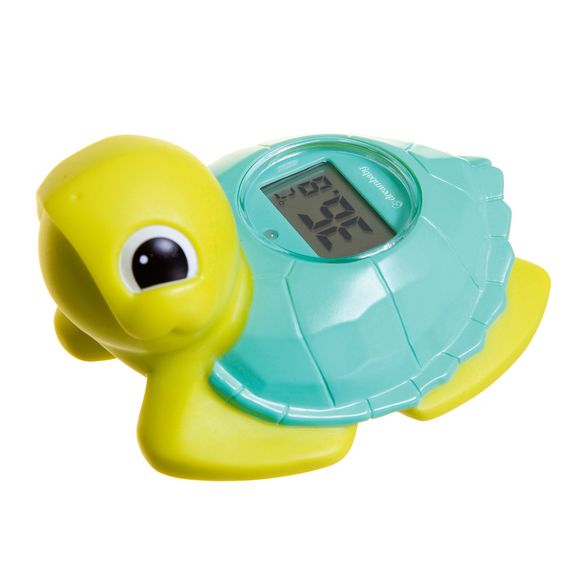
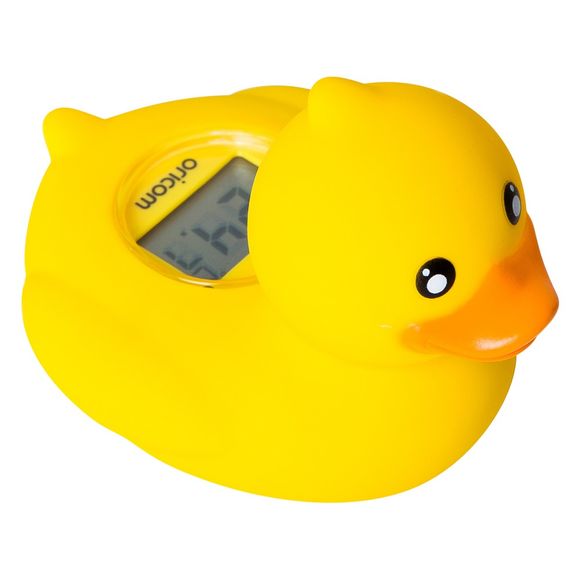
Dreambaby Room & Bath Thermometer Duck
$16.96
$19.95
SAVE $2.99
4.5 out of 5 4.7 (75)
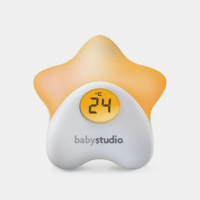
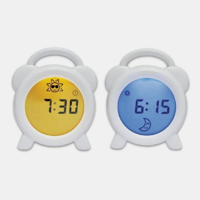
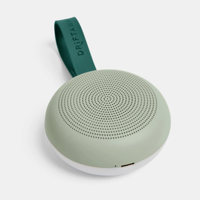
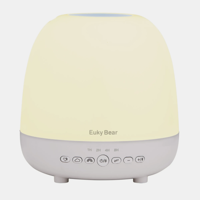
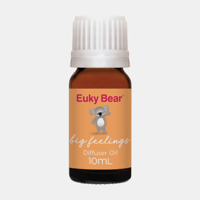
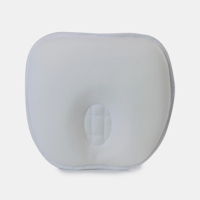
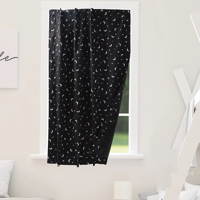
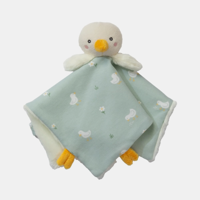
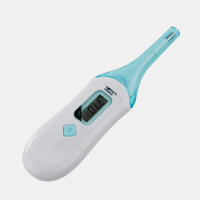
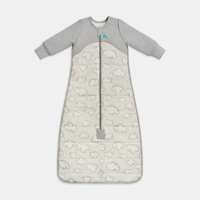



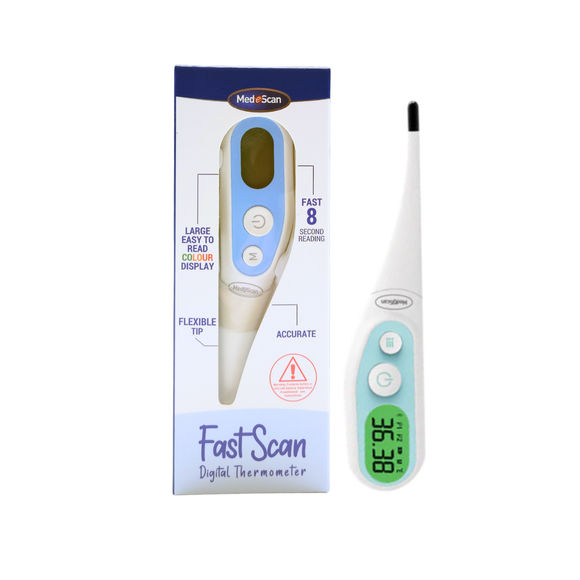
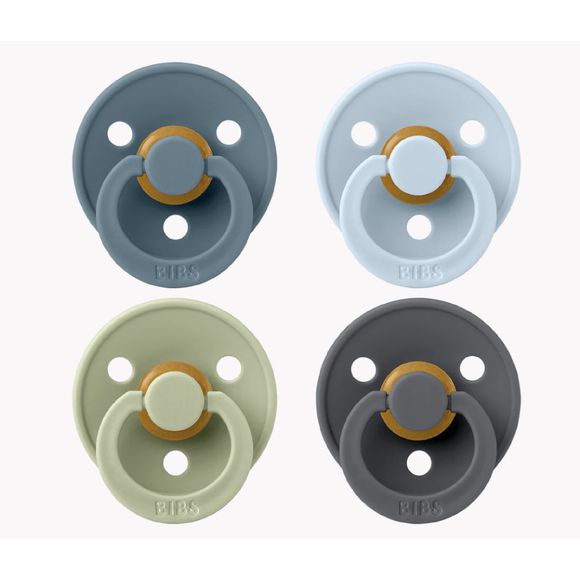





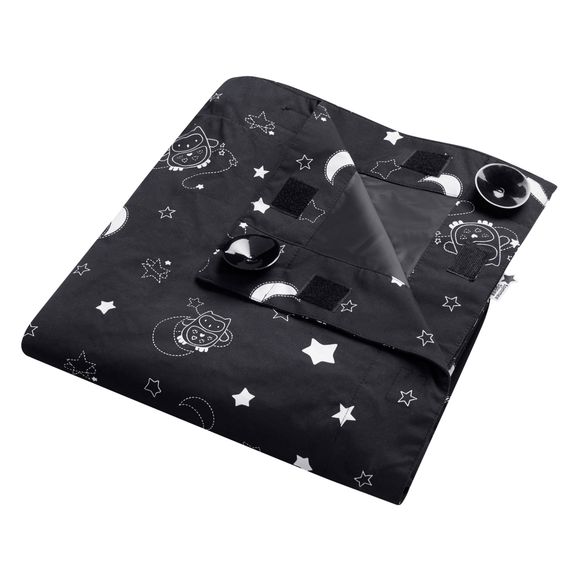
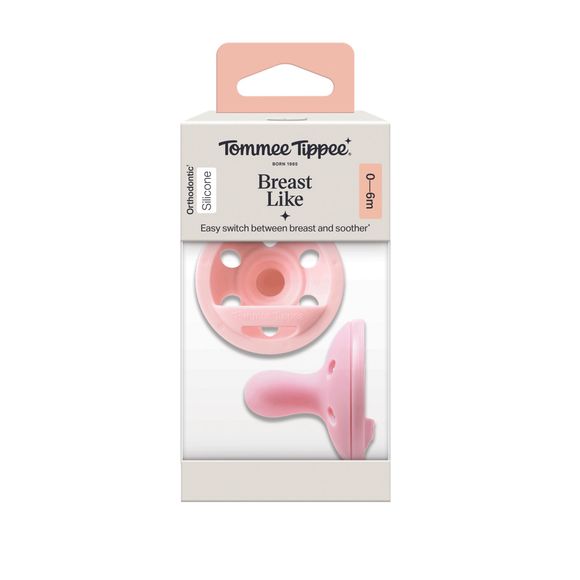


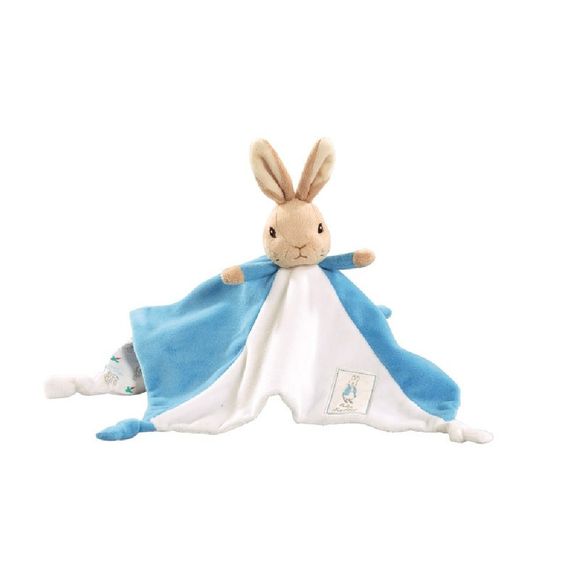

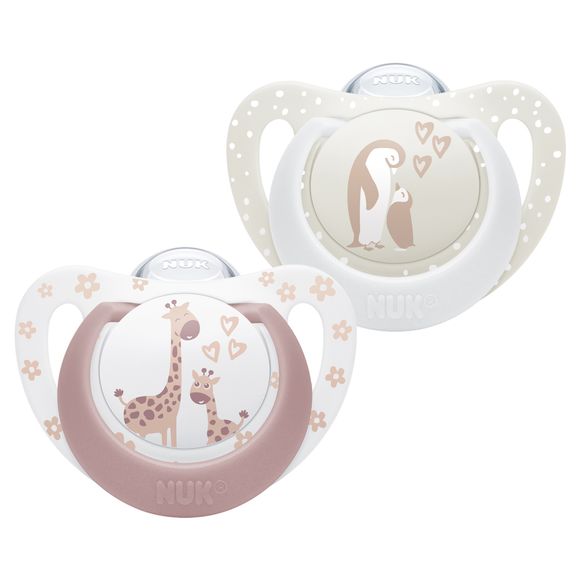


The strongest baby sleep aids are environmental: darkness, consistent sound, a comfortable temperature and well-fitted sleepwear
A sleeping bag keeps your baby at a steady temperature without loose blankets in the cot
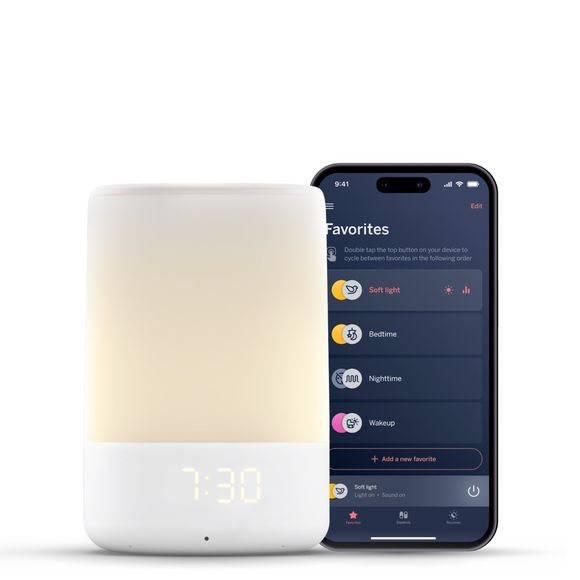
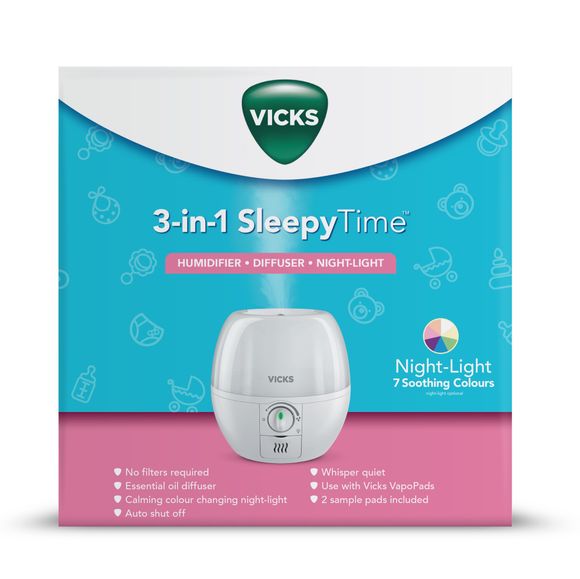
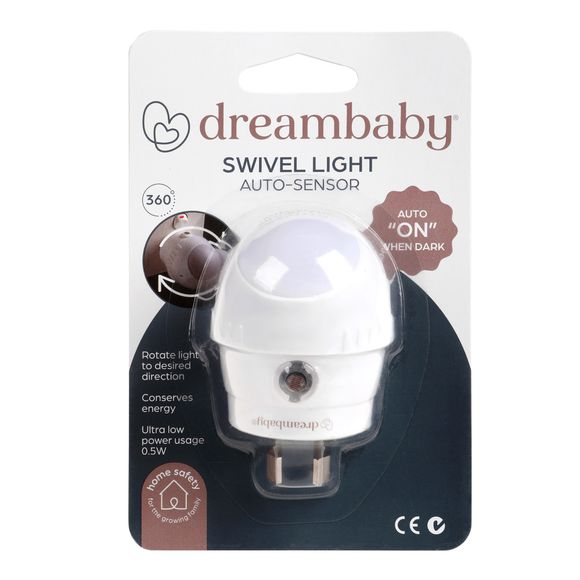
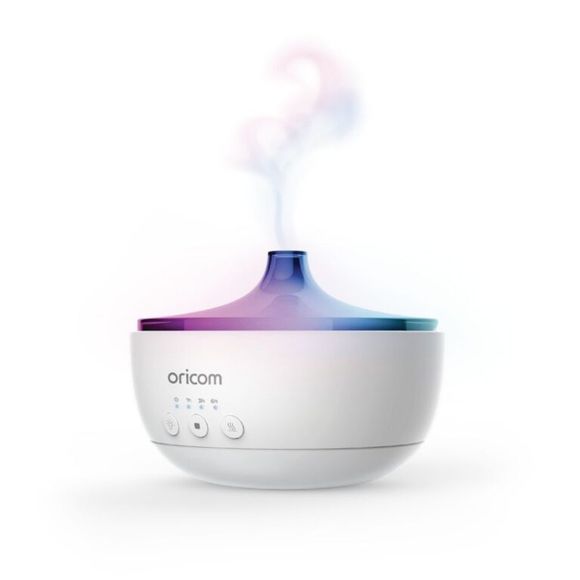
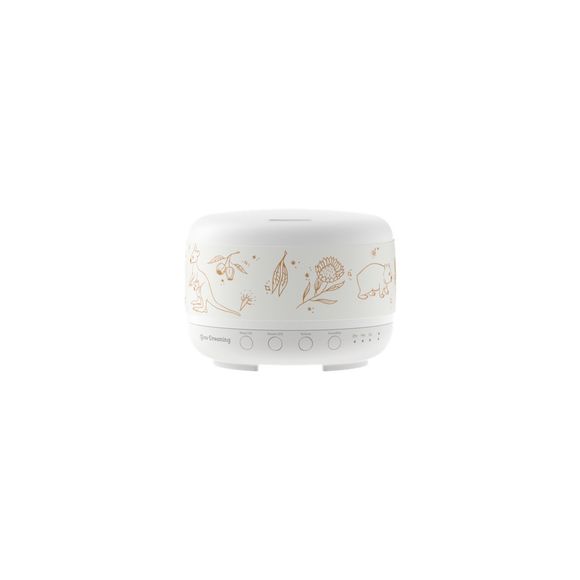
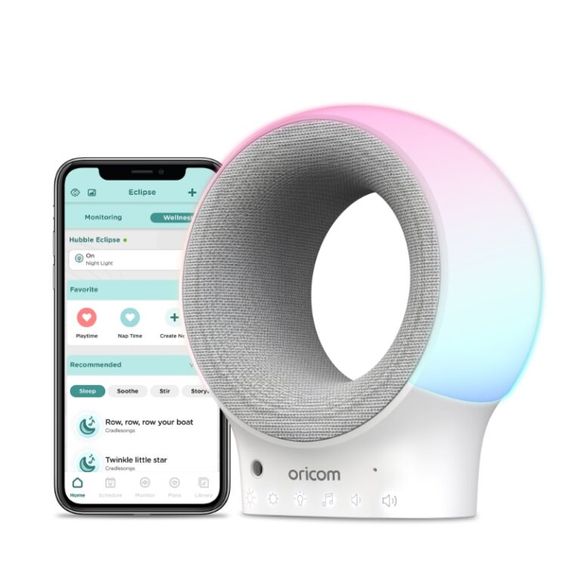
Sound machines and night lights work by making the environment predictable, which helps your baby recognise that sleep is coming
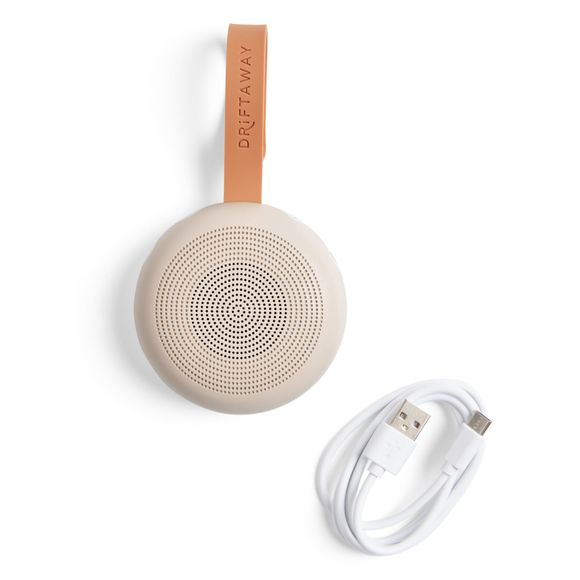
Position a sound machine around two metres from the cot at low volume,
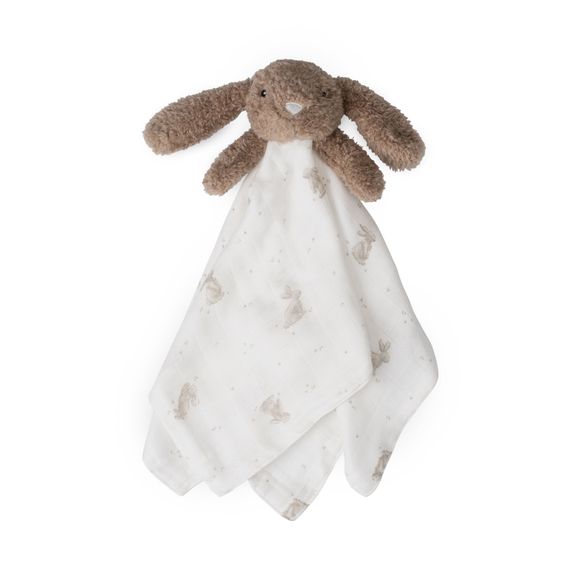
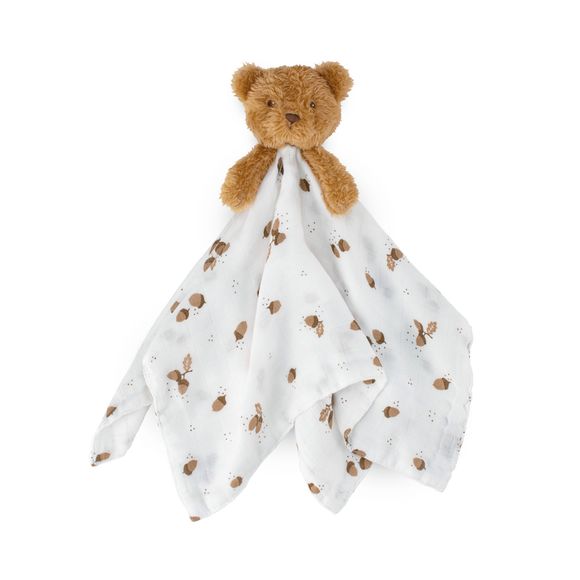
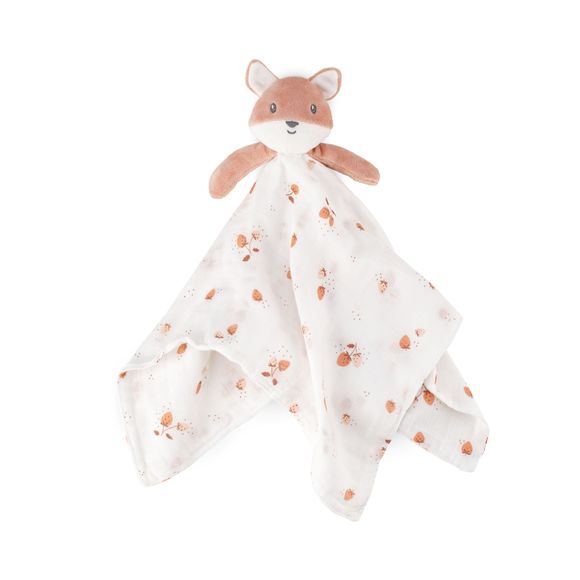
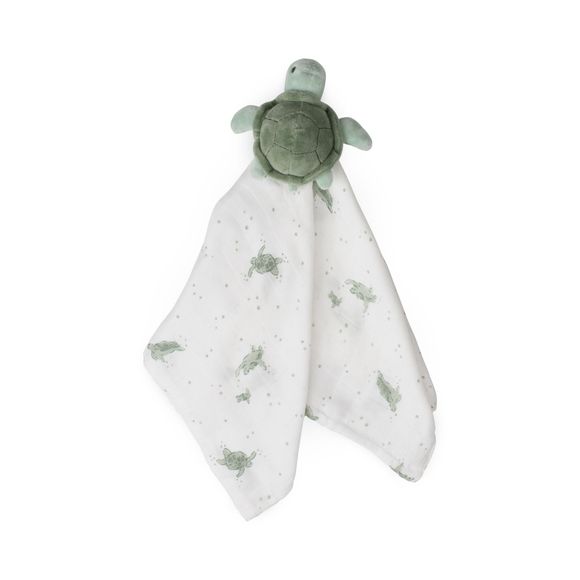
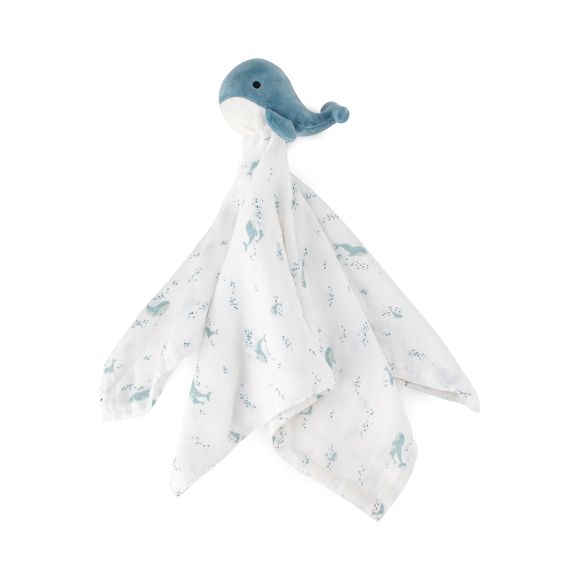
Soft toys and comforters are not for the cot in the early months.
No supplement or medication should be given to a baby to help them sleep without a doctor's direction
Understanding baby sleep cycles often does more than any product, because a lot of night waking is normal rather than fixable.
A baby sleep aid is anything that helps your baby settle and stay asleep, from sleeping bags and sleepwear through to white noise machines, night lights and comforters. The most effective ones work by supporting the sleep environment rather than doing anything to your bub. Nothing soft or loose goes in the cot, so the best infant sleep aid for the newborn months is usually a well set up room and the right sleepwear.
A sleep helper does not make a baby sleep. It makes the conditions for sleep easier to repeat.
They make the routine consistent. Using the same sound and the same low light at the same point each evening gives your baby a signal they come to recognise.
They support settling. White noise mimics the sound environment of the womb, and a steady, familiar backdrop can take the edge off a fussy wind-down.
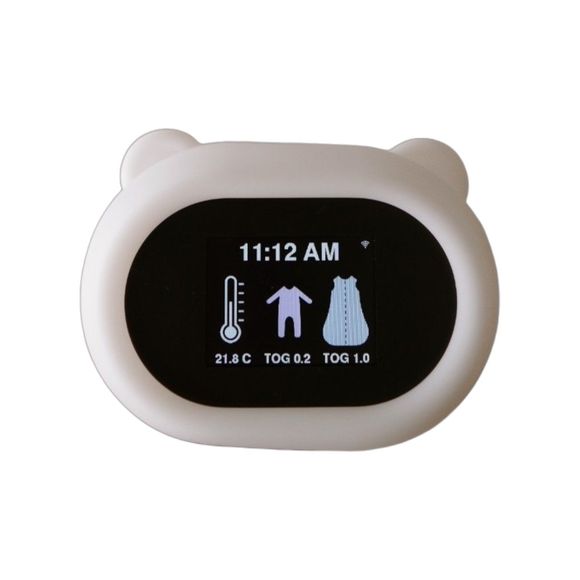
They keep the temperature steady. Sleeping bags can help keep loose blankets out of the cot. Choose a bag that fits correctly and suits the room temperature, and follow the product instructions.
They reduce disturbance. Consistent sound covers household noise, and blockout blinds stop early light waking a baby who would otherwise sleep longer.
What helps depends on your baby's age, what is disrupting their sleep and how you need the product to work.
| Age | What helps | What to avoid |
| Newborn, 0 to 3 months | Sleeping bag or swaddle, white noise, darkness, a comfortable room temperature | Anything soft or loose in the cot, including toys, pillows and positioners |
| Infant, 3 to 12 months | Sleeping bag, sound machine, night light, consistent wind-down routine | Comforters in the cot before around seven months |
| Toddler, 1 year and over | Night light, sleep toys and comforters, sleep-training clocks, familiar bedding | Overstimulating light or sound features |
There is no product that makes a baby sleep, and anything promising otherwise is overselling. What the right baby sleep aid does is make the conditions for sleep consistent, comfortable and repeatable, which is the part you can control. Start with the sleeping bag and the dark room, and be patient with the rest.
This page is general information only. Speak to your GP, midwife or child health nurse about any concerns with your baby's sleep or health.
The environmental ones are. A sleeping bag, consistent sound and a dark room make a measurable difference. Products promising to make a baby sleep through the night generally do not.
Suitability varies by product and your baby’s age and stage. Follow the product instructions and current safe sleep guidance, and keep soft or loose items out of a baby’s sleep space
For many babies, yes. Consistent low-level sound covers household noise and gives a familiar cue that sleep is coming. Position the machine around two metres from the cot, keep it at the lowest effective volume and use a timer rather than leaving it on all night.
A sleeping bag and a dark, quiet room. For the first months, the environment does far more than any individual product.
Environmental aids from birth, comforters later. Sound, darkness and sleeping bags suit newborns. A baby soother toy or comforter waits until around seven months, in line with Red Nose guidance.