

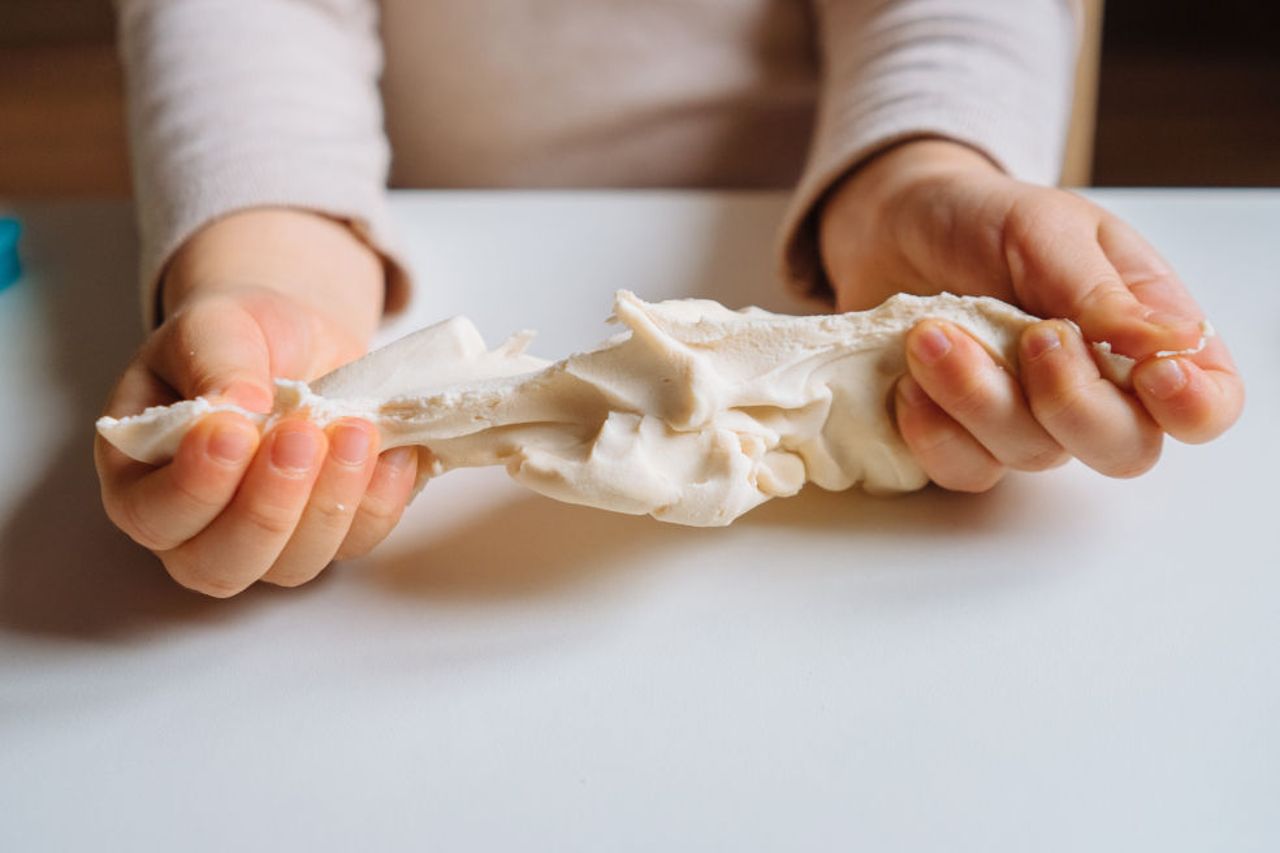
Motor skills relate to movement, motion, and muscle strength. Fine motor skills refer to movement in the eyes, hands, and fingers, such as pinching, gripping, and grabbing. Gross motor skills refer to the movement of larger body parts, like arms and legs. Lifting, pushing, running and climbing are gross motor skills.
Here are some ways to help your little ones build and improve their motor skills:
How can I help build my child's motor skills?
There are many activities that encourage motor skill development, depending on your child's age. Developmental milestones happen at different stages for each child. Generally, fine motor skills begin to develop around 5-6 months of age and gross motor skills around 12-15 months.
Don't worry if your child seems to be developing at a slower rate than you expected; this isn't always an issue. If your child seems disinterested or reluctant to engage in physical play or try new physical tasks, and they seem to be well behind on milestones, talk to your doctor.
Providing your child with opportunities to interact with their environment is beneficial for motor skill development. Encourage them to try new things. Avoid stationary periods – limit screen time or activities that lead to sitting down for too long.
Choosing the right games and activities will depend on your little one’s age and skill level. Some helpful activities for motor skill development might include:
Playing with pegs or blocks
Manipulating toys with small, moving parts
Making shapes with playdough
Grasping – give them new items to hold and investigate
Visual stimulation – hang colorful art in the nursery or bedroom. Read picture books with your baby, regardless of whether they understand the words or story. Place a mobile above their cot (safely out of their reach).
Introduce textures – play with sand, slime, smooth pebbles. Always supervise them during play and ensure small objects stay away from their mouths.
Finger painting
Painting with brushes
Throwing and kicking balls
Blow and chase bubbles
Climb – playgrounds and trees (with adult supervision)
Water play (safe and supervised) – splashing develops muscle strength and gross motor skills
Balancing games – who can stand on one leg longest
Keep a balloon off the ground by hitting it with your hands and feet
Trampoline bouncing
Hula hooping
Simon Says – excellent for gross motor body movement, listening, and thinking ahead
'Helping out' around the house: pushing wheelbarrows, sweeping, drying dishes, pegging laundry – tasks that require small finger and wrist movements, as well as tasks that require large, strong motions.
Tummy Time
Laying your little one on their stomach can help develop strength in their neck and body.
Remember to keep an eye on your child during tummy time, and transfer them to the cot if they start to doze off as they should never sleep in this position.
When placing your little one down, alternate between a variety of positions. Try and avoid leaving your child in a sitting position for too long as it is under-stimulating and doesn't encourage muscle use or motor skill development.
Consult this checklist for general milestone ages as a guide to your child's development. Remember, this is a rough guide: every child develops differently.
Recommended Articles
https://www.babybunting.com.au/baby-talk/the-importance-of-play-in-childhood-development
https://www.babybunting.com.au/baby-talk/introducing-your-toddler-to-your-newborn