Baby Bunting
View Cart
Cart

Interactive Toys

Encourage learning through play! Touching, smelling and playing with texture can help develop fine motor skills.

Black Friday

Click & Collect

Key Summary

  • Interactive toys teach cause and effect, which is the foundation for problem solving later on

  • The best ones respond simply and predictably, since a toy doing five things at once is harder to learn from than a toy doing one

  • Age matching matters more than feature count, and our guide to how to choose the best toys covers what suits each stage

  • A smaller, rotated collection holds attention better than everything being available at once

  • Interactive toys are most useful when they suit your child’s age, interests and abilities. Playing together can add conversation and connection

Interactive toys respond to your child. They light up, make a sound, move or change when a button is pressed, a ball is rolled or a lever is pulled. That response is the whole point, because it teaches your bub that their actions have consequences.

What Are Interactive Toys?

An interactive toy gives your child a response. Press it and something happens: a sound plays, a light flashes, a shape pops up, a voice speaks. That feedback loop is what separates them from static toys like blocks or soft interactive stuffed animals that do not react.

The category is broad. It covers activity centres, musical toys, sensory balls, cause-and-effect poppers, animated toys that move on their own, interactive plush toys that respond to touch, talking books and a realistic toy like an interactive baby doll that giggles or cries.

How Interactive Toys Support Baby Development

Children's interactive toys work by giving immediate feedback, and each type of feedback builds something different.

Sensory development. Different textures, sounds, colours and movements give a developing brain varied input to process. Our guide to sensory activities covers what to do beyond the toy box.

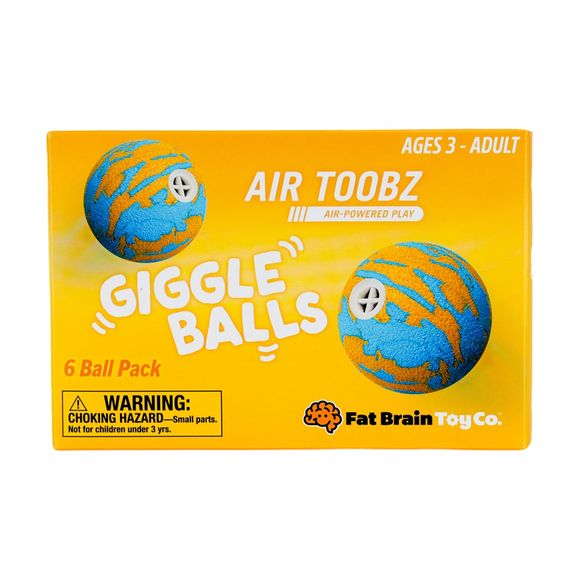
Hand-eye coordination. Reaching, grasping, pressing and rolling all refine motor control. A sensory ball that rolls away is a whole lesson in tracking and pursuit.

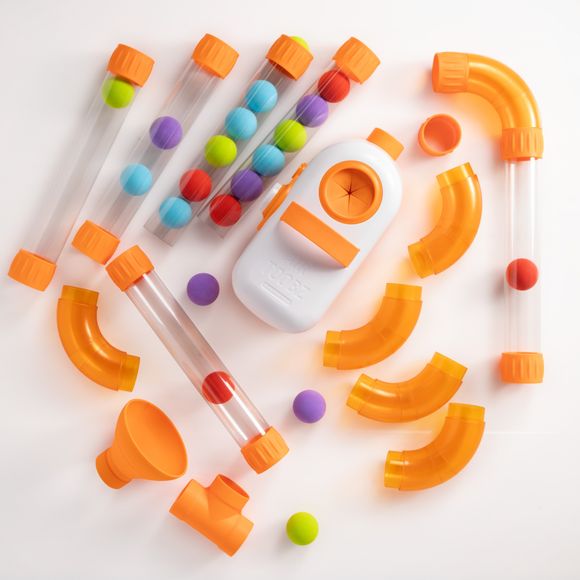
Cause and effect. Press the button, hear the sound. Do it again, hear it again. This repetition is how babies learn that they can make things happen, and they will test it exhaustively.

Independent play. A toy that responds gives your child a reason to keep going without you directing them, which builds concentration and confidence over time.

Language, with a caveat. If language is what you are after, books and simple toys do more. Interactive toys work best for language when you play alongside your child rather than leaving them to it.

Best Interactive Toys for Different Play Styles

Children play differently and the right toy meets them where they already are.
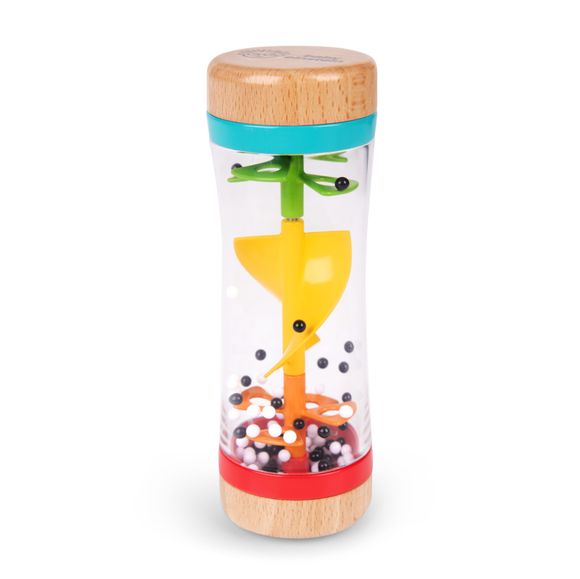
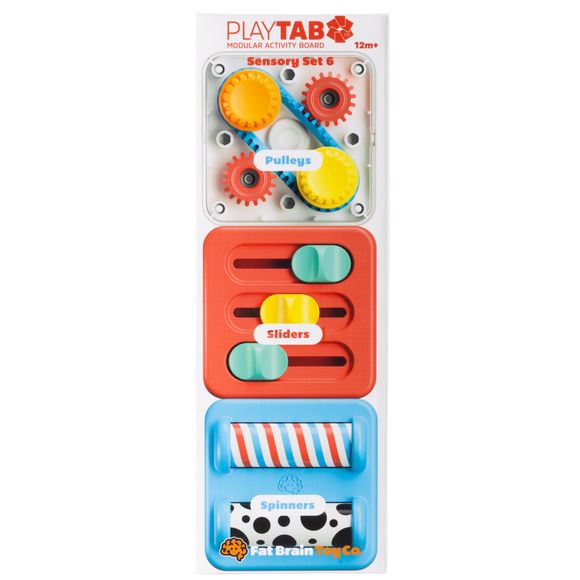
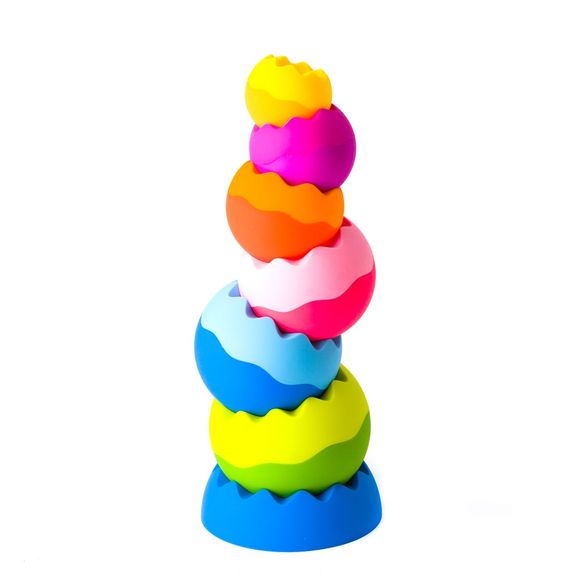
  • Sensory play. Textured balls, crinkle toys and touch-responsive interactive stuffed toys suit babies exploring with their hands.
  • Music and sound play. Instruments, sound books and musical tables suit children drawn to rhythm and noise
  • Active movement play. Baby activity centres and push toys suit babies working toward sitting, standing and walking
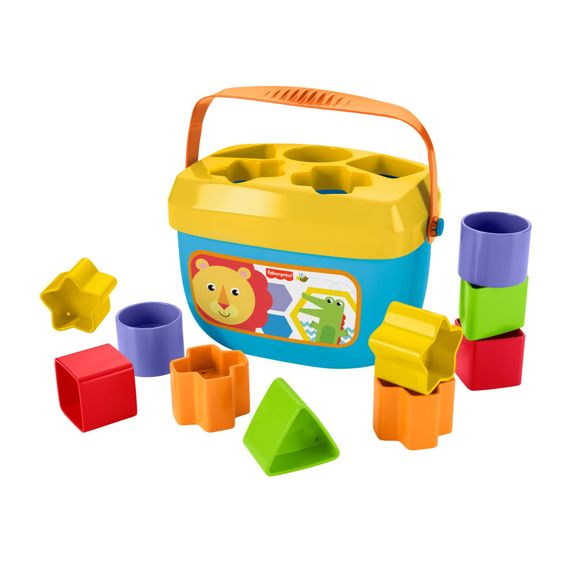
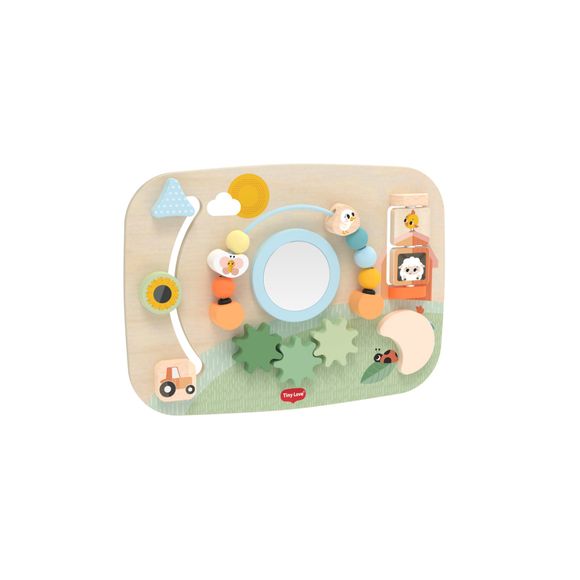
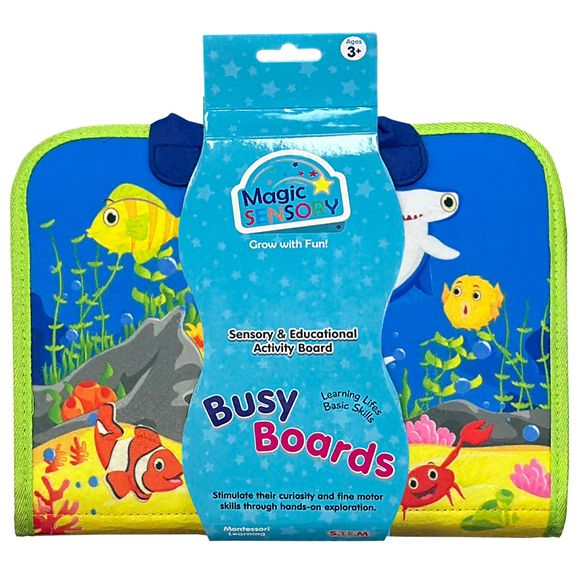
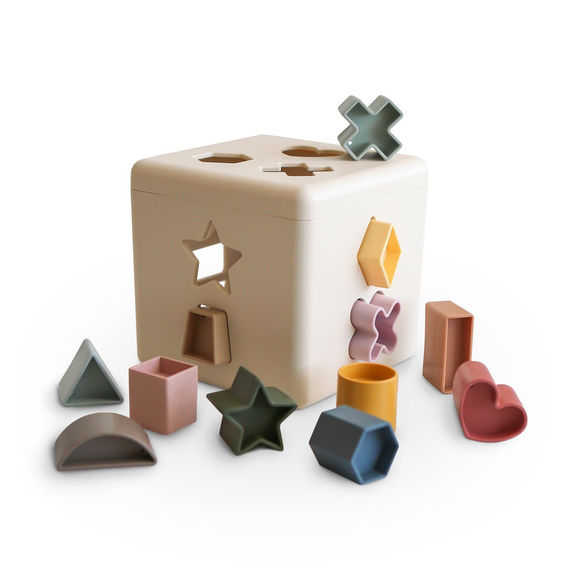
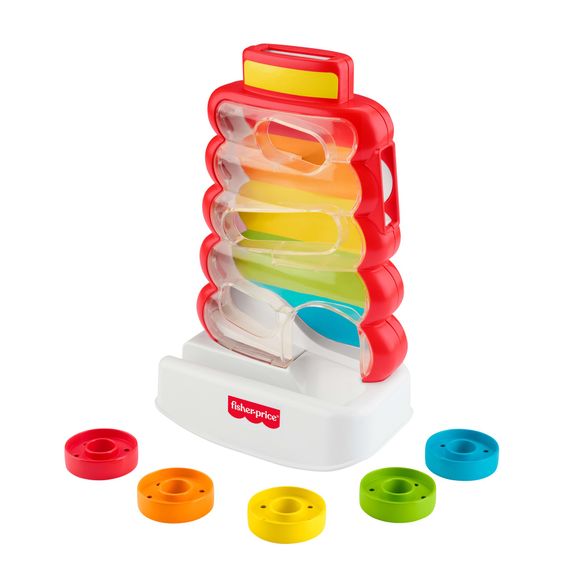
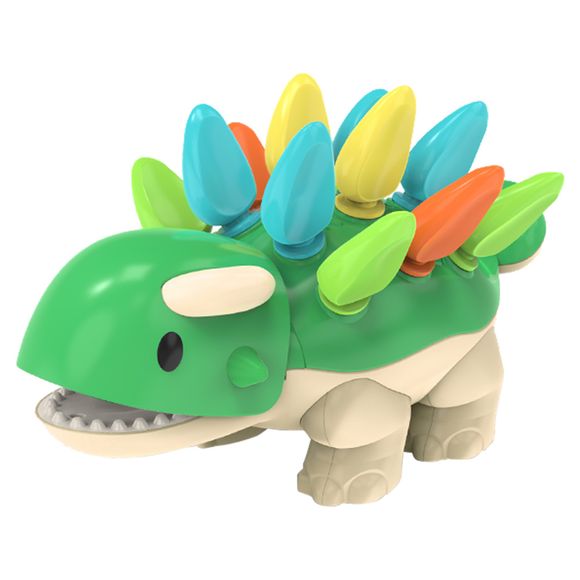
  • Quiet independent play. Poppers, shape sorters and busy boards suit children who settle into a task on their own
  • Learning and discovery play. Counting toys and kitchen toys suit toddlers copying what they see adults doing
For more at the toddler end, see our guide to the best toddler toys or our rainy day games for the days nobody is going outside.

What Parents Look For in Interactive Toys

Kids interactive toys get chewed, dropped, thrown and loved hard. These are the features that come up most.
  • Portable and travel-friendly, small enough for the nappy bag and quiet enough for a café
  • For battery-powered toys, check that the battery compartment is secure and follow all product warnings and age guidance. Keep loose and spare batteries out of reach
  • BPA-free materials, since most of these toys end up in a mouth
  • Easy-clean surfaces, wipeable rather than fabric where possible
  • Volume control or a mute switch, which you will be grateful for
  • Montessori-style simplicity, one clear action and one clear response rather than a dozen competing features
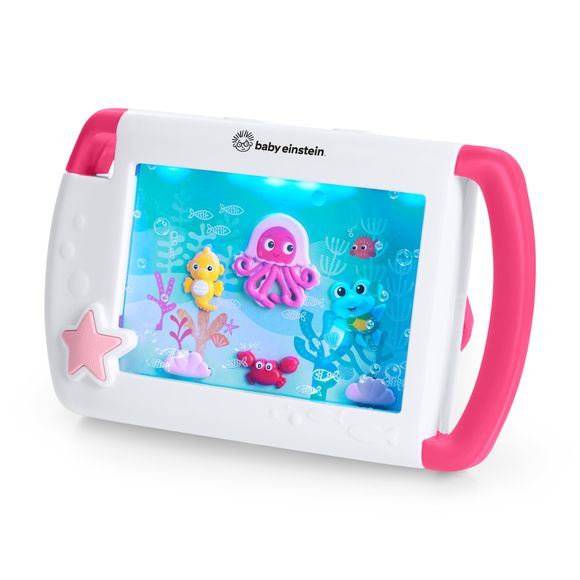
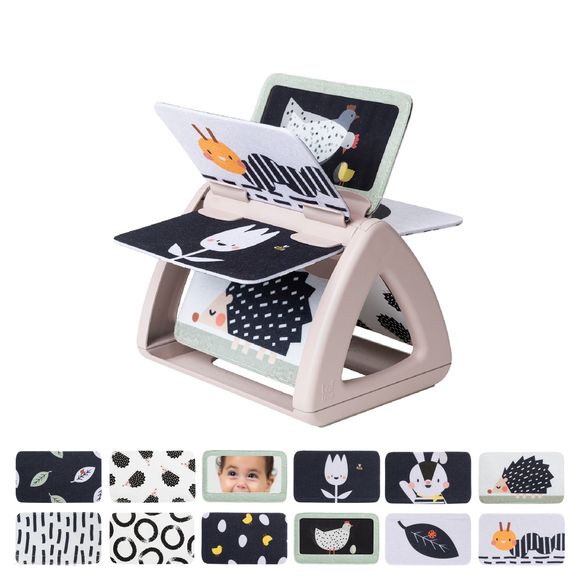
  • Tummy time support, mirrors and floor gyms that give a baby a reason to lift their head
When the collection outgrows the floor, our nursery storage and toy boxes make rotation easy.

The Final Word

The best interactive toys are the ones your child returns to and that is rarely the one with the most buttons. Choose a few that respond simply and clearly, rotate them so they stay interesting and remember that the most engaging thing in the room is still you.

Frequently Asked Questions

Match the age, not the marketing. Check the manufacturer’s age and stage guidance, and choose a toy suited to your child’s current abilities. Review small-part, battery-access and supervision instructions before use.

Many are well suited, and some are adapted.Simple cause-and-effect toys, high-contrast visuals and switch-adapted options can all work well. An occupational therapist can advise on what suits your child specifically.

Interactive toys can offer opportunities to press, grasp, listen and explore. Choose products suited to your child’s age and abilities, and use them as one part of varied play.

Sensory toys stimulate, interactive toys respond.A textured ball engages touch without doing anything. An interactive toy reacts to what your child does. Plenty of toys are both.